As countries accelerate their Net-Zero commitments and carbon reduction strategies, Sustainable Aviation Fuel (SAF) is emerging as a strategic component in the global energy transition. Beyond serving as an alternative fuel for aviation, SAF is increasingly associated with broader goals such as renewable energy development, circular economy models, and green industrial ecosystems.
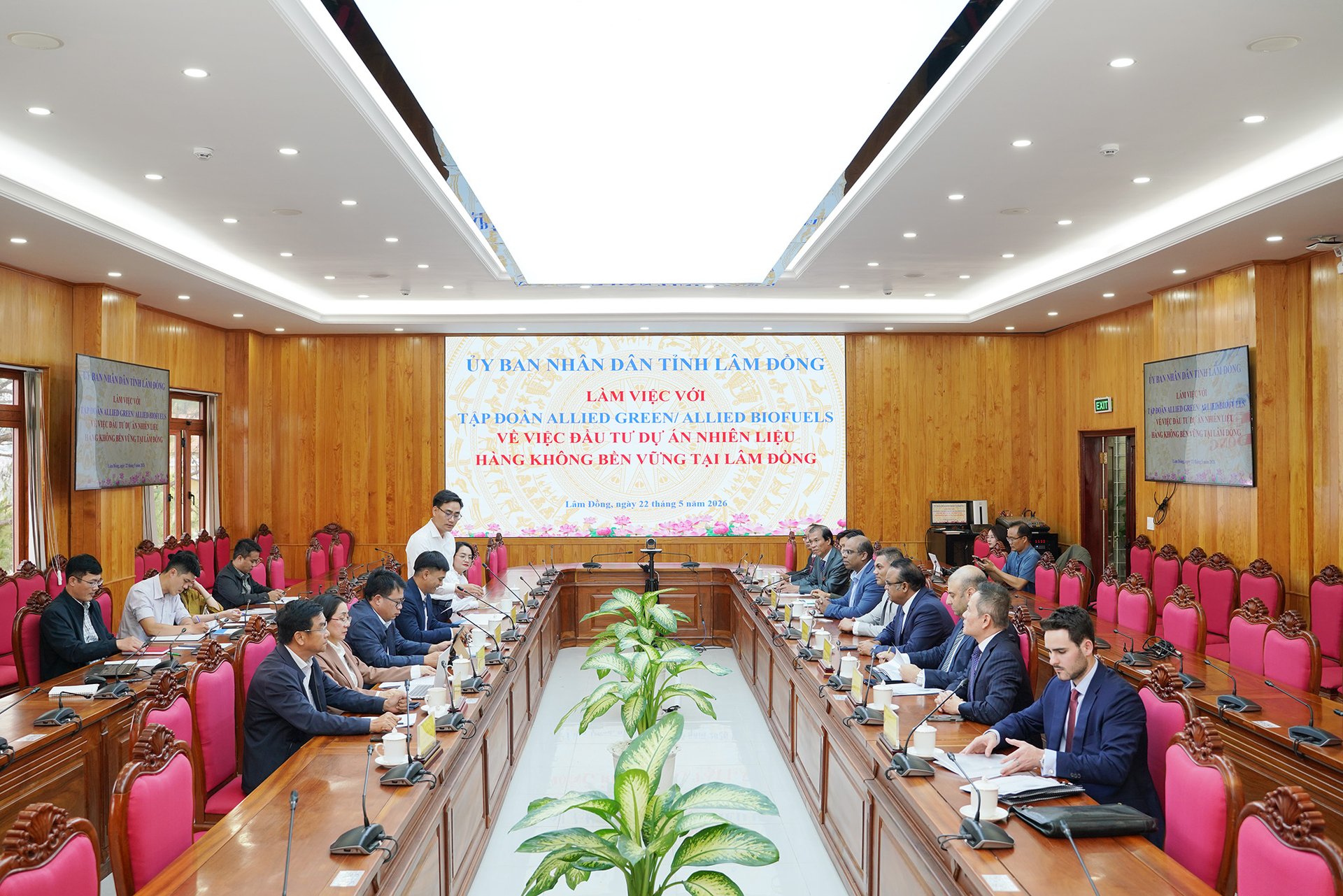
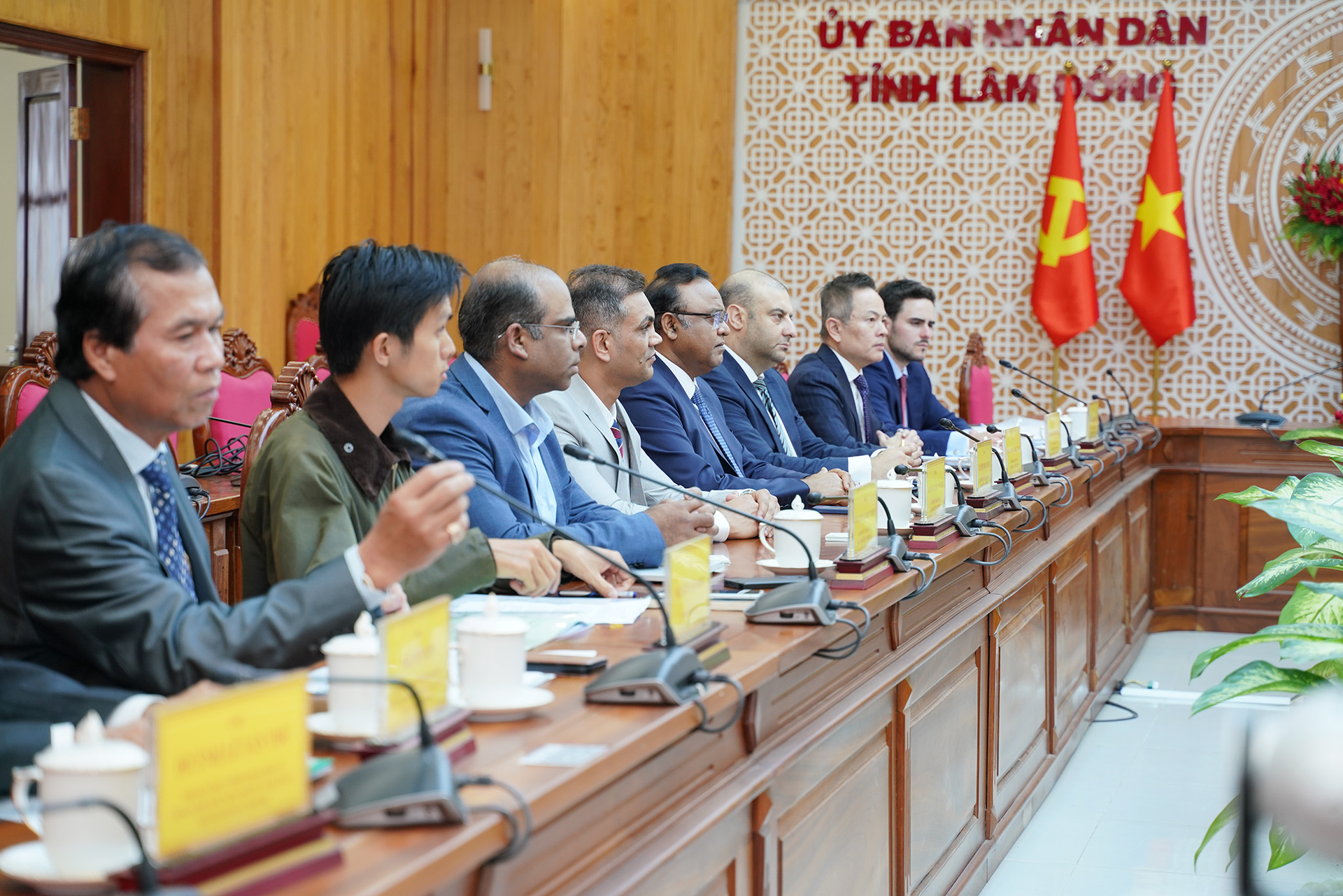
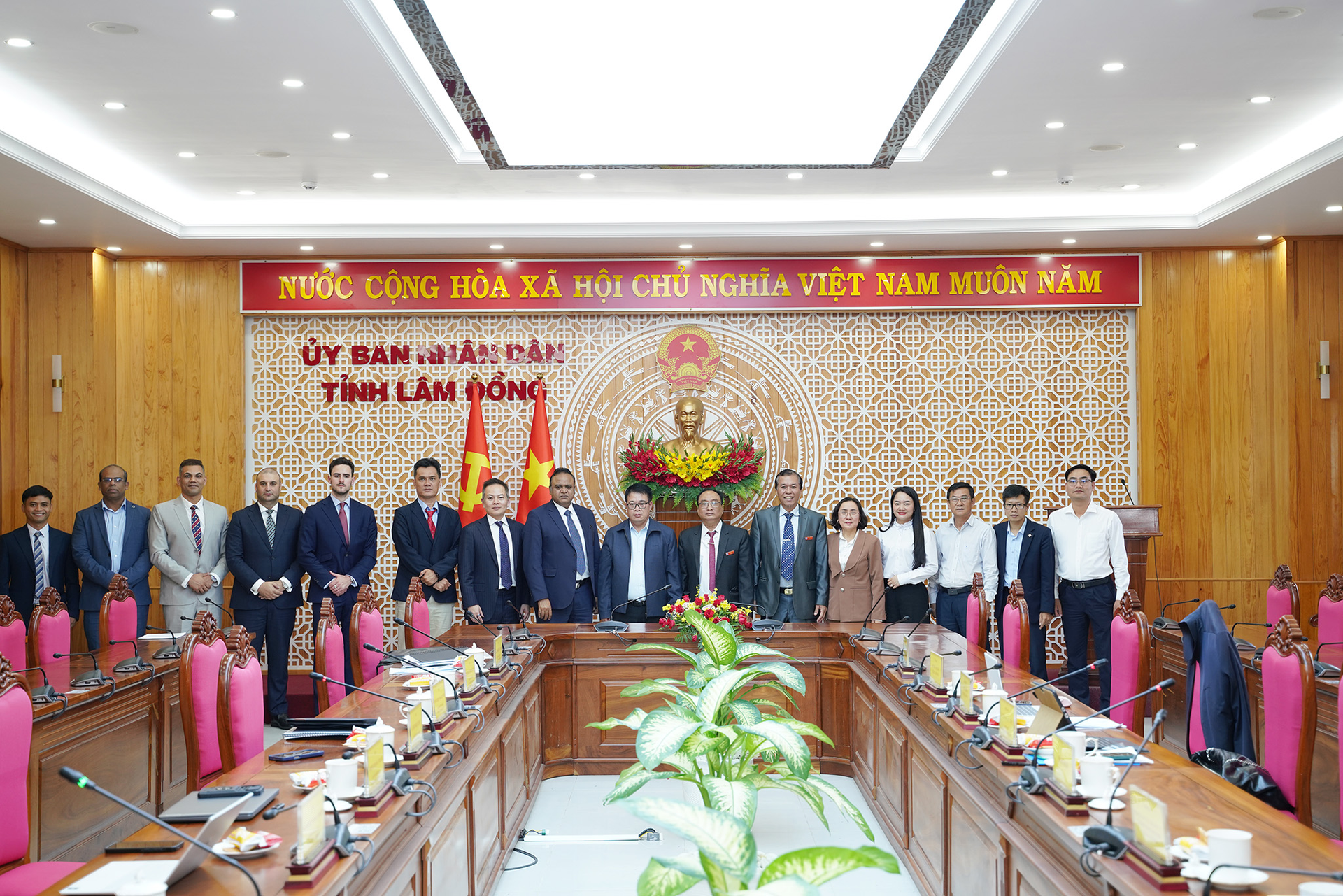
Recently, Lam Dong provincial authorities held discussions with Australia-based Allied Green/Allied Biofuels regarding a proposed investment in a sustainable aviation fuel production complex in the province. The proposal reflects a growing shift from conventional industrial development toward technology-intensive green industries.
For Vietnam, projects of this nature may contribute not only to environmental objectives but also to industrial restructuring and long-term economic competitiveness.
Proposed SAF Project in Lam Dong
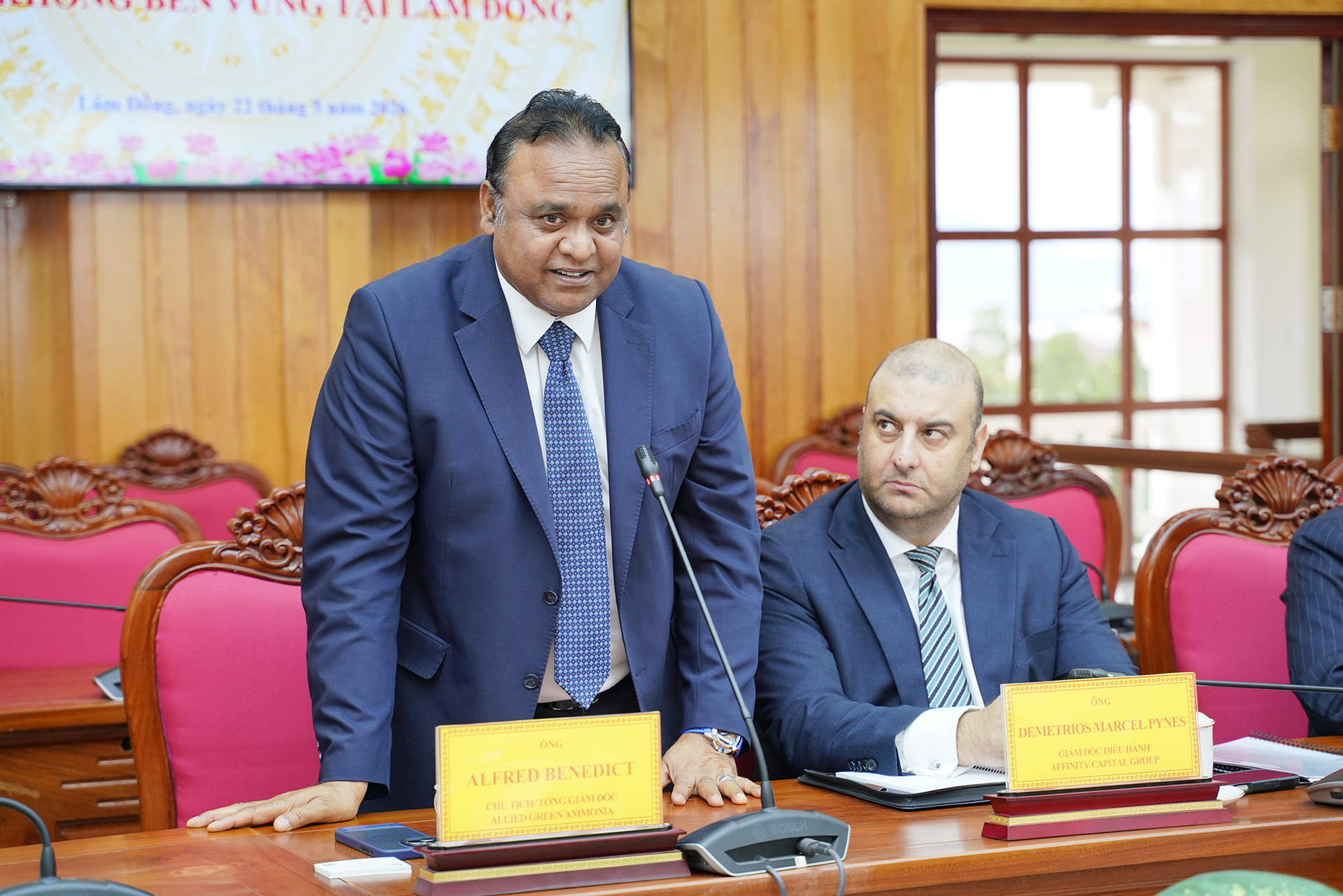
According to information shared during the meeting, the proposed project is designed as an integrated green energy complex specializing in the production of biofuels and next-generation synthetic clean fuels.
The primary target sectors include aviation and transportation, both of which face increasing pressure to reduce greenhouse gas emissions.
Representatives of Allied Green/Allied Biofuels emphasized that Vietnam possesses favorable conditions for renewable energy development and biomass-based feedstock production. In the context of rising global demand for low-carbon fuels, the project could help Vietnam participate more actively in international green energy supply chains.
Lam Dong authorities also noted that the proposal aligns with the province’s orientation toward green industrialization, sustainable agriculture, and environmentally responsible economic development.
However, due to the project’s scale and technical complexity, additional assessments related to land use, water resources, infrastructure, legal procedures, and planning compatibility are still required before implementation decisions can be made.
SAF and the Global Energy Transition
Sustainable aviation fuel is widely considered one of the most practical solutions for reducing aviation-related carbon emissions, particularly because full electrification of the aviation sector remains difficult in the near term.
International studies indicate that SAF can significantly reduce lifecycle carbon emissions compared to conventional fossil-based jet fuel. Current SAF production pathways typically rely on agricultural biomass, vegetable oils, organic waste, or synthetic fuels derived from green hydrogen.
As a result, many countries are investing heavily in bioenergy infrastructure, hydrogen technologies, and low-carbon industrial systems. For Vietnam, SAF development represents more than an environmental initiative. It may also support industrial upgrading, energy diversification, and higher participation in global value chains.
If developed strategically, Vietnam could leverage its agricultural advantages to establish integrated biomass supply systems while expanding downstream industries related to bio-processing and green logistics.
IEMST Perspective: Building a Green Industrial Ecosystem
From a policy and economic management perspective, the Lam Dong proposal illustrates a broader transition in renewable energy development — from isolated infrastructure projects to integrated industrial ecosystems.
Unlike traditional energy projects, SAF development requires coordination across multiple sectors, including:
- Agricultural feedstock production
- Biotechnology
- Renewable energy infrastructure
- Industrial logistics
-
Carbon management and environmental policy
This creates new governance challenges related to inter-sectoral planning and long-term resource management.
If implemented effectively, the project could generate employment opportunities, attract technology-oriented investment, and serve as a foundation for related industries such as hydrogen energy, bio-based materials, and low-carbon chemicals.
For Ho Chi Minh City and Southern Vietnam, such initiatives may also strengthen regional linkages between financial centers, innovation hubs, and green industrial zones.
Key Challenges Ahead
Despite its potential, SAF remains a highly complex industry with several important challenge
Technology and capital requirements
SAF production facilities require substantial investment, advanced processing technologies, and stable supply chains.
Sustainable feedstock management
Expanding biomass production must avoid negative impacts on food security, water resources, and land use sustainability.
Regulatory and international standards
The aviation fuel sector is subject to strict regulations regarding emissions, traceability, and environmental certification. Vietnam will need to strengthen its legal and technical frameworks to meet international standards.
Ecosystem coordination
A successful SAF ecosystem requires strong collaboration among energy companies, agricultural producers, logistics providers, research institutions, and financial stakeholders.
Conclusion
The proposed sustainable aviation fuel complex in Lam Dong reflects Vietnam’s broader movement toward green growth and low-carbon industrial transformation.
In the long term, SAF projects may play a strategic role not only in environmental policy but also in industrial competitiveness, energy security, and participation in future global supply chains.
For local governments, the challenge extends beyond investment attraction to include effective planning, resource governance, and innovation ecosystem development aligned with energy transition goals.
References
Reference: Lam Dong Provincial Portal – “Proposal for Investment in a Sustainable Aviation Fuel Production Complex in Lam Dong”, Xuan Anh – Huu Tri, published May 22, 2026.
Original source: https://lamdong.gov.vn/